Blog
Building The Next-Generation AI Security Platform
Today, Oasis Security steps into a new phase of acceleration. We have signed a letter of intent to be acquired by Cyera, and the transaction is now in the process of completion.

Discover tips, technical guides and best practices in our biweekly newsletter.


.png)
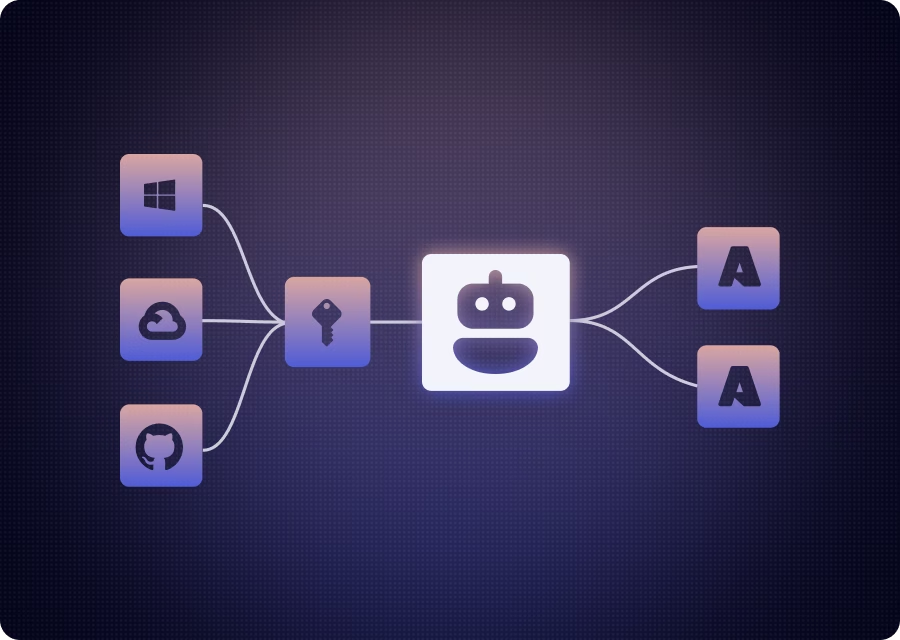
A Non-Human Identity (NHI) is a digital entity that authenticates and authorizes access on behalf of applications, services, and devices—in other words, it is a construct used for machine-to-machine access and authentication.NHIs are important because they facilitate automated operations, ensure seamless integrations, and support cloud scalability. As the world becomes more connected through APIs, third-party integrations, and microservices—and as digital transformation and AI adoption accelerate—NHIs have grown exponentially, outnumbering human identities by a ratio of 20:1.
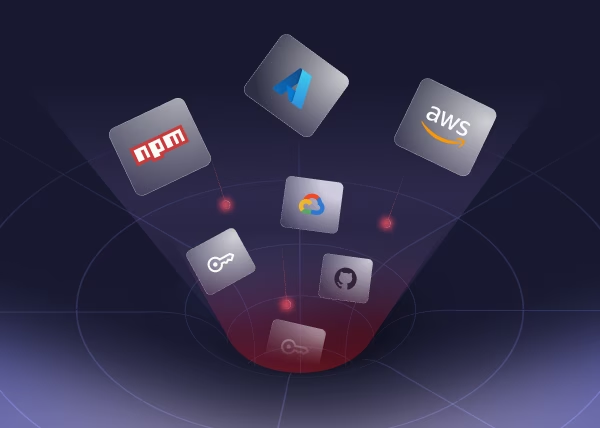
Common Non Human Identities:
Authentication Methods for NHIs:
Unlike human identities, which have a strong foundation with a clear source of truth, ownership, and central management—typically through Human Resources or IT (usually, Active Directory) and defined lifecycle management—NHIs are democratized, often lacking clear ownership, and their management process is fragmented:
Managing NHIs is uniquely difficult due to:
A purpose-built NHI security solution is required to address these challenges by automating lifecycle management, enforcing least privilege, and providing full visibility.
NHIs are frequent targets in cyberattacks due to their privileged access and lack of traditional security controls. According to IBM Cost of a Data Breach Report 2024, The global average cost of a data breach increased by 10% within just one year, reaching USD 4.88 million—the largest annual rise since the pandemic.
NHIs are frequent targets in cyberattacks due to their privileged access and lack of traditional security controls. According to IBM Cost of a Data Breach Report 2024, The global average cost of a data breach increased by 10% within just one year, reaching USD 4.88 million—the largest annual rise since the pandemic.
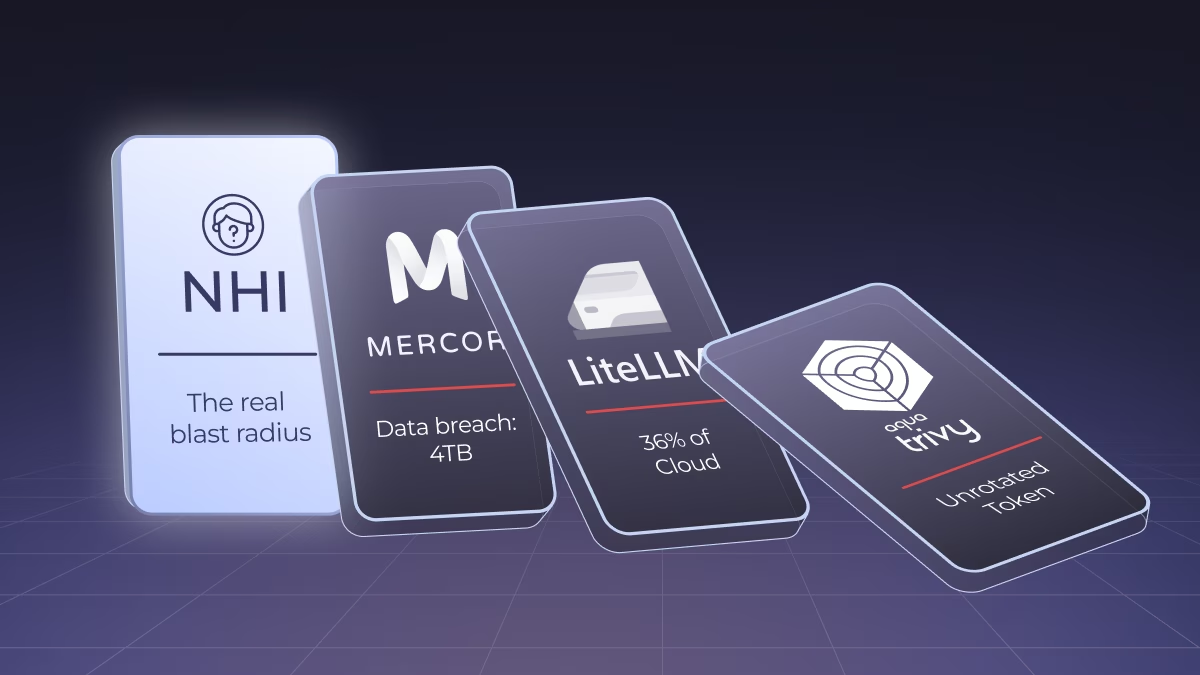
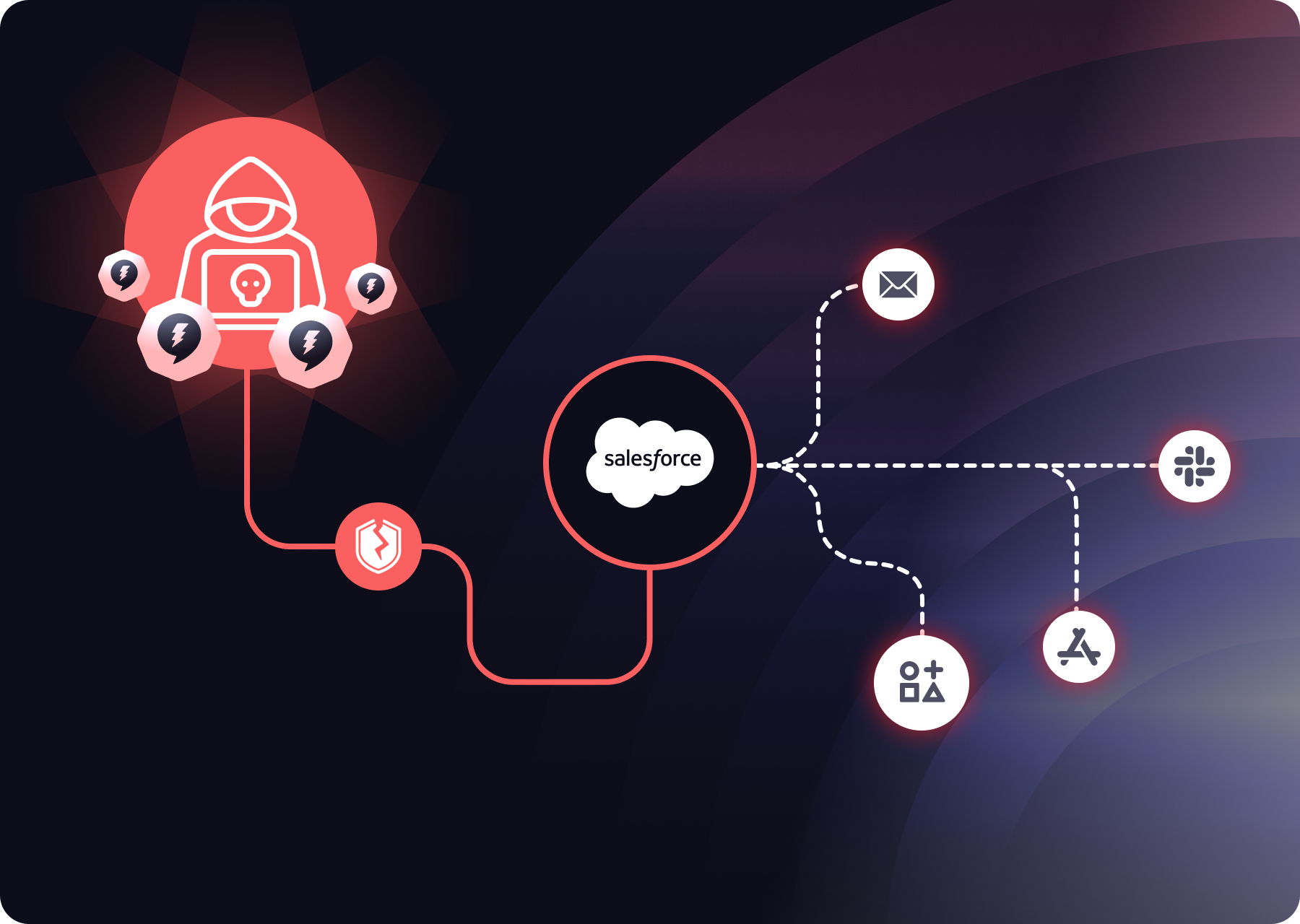
Recent breaches involving NHIs include:
These incidents highlight the risks of stolen credentials, lateral movement, and data exfiltration, making NHI security critical for compliance and threat mitigation.
A robust NHI security strategy requires a multidisciplinary team that includes IAM, cloud, security, IT, DevOps, and application teams. Their mission should be to establish leadership, conduct research, and implement structured NHI management strategies that focus on:
By centralizing oversight and leveraging automation, organizations can ensure NHIs remain secure, compliant, and manageable at scale.
Unmanaged NHIs can lead to:
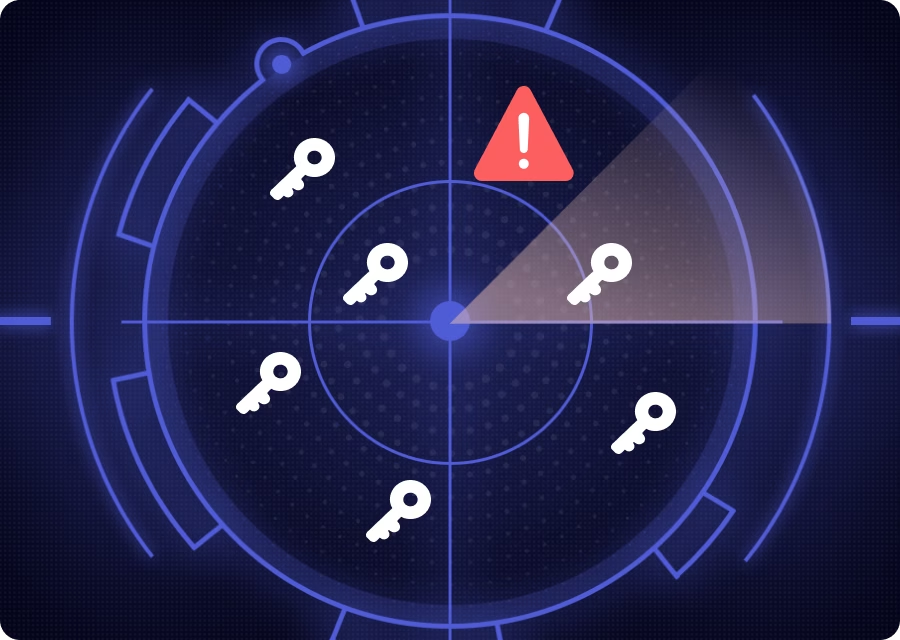
Think of unmanaged NHIs as open doors attackers are just waiting to find.
Zero Trust assumes nothing and verifies everything—including NHIs. Managing NHIs ensures every machine or service identity is authenticated, authorized, and continuously monitored. NHIs are a key pillar in a Zero Trust model because they’re often the first targets in lateral movement attacks.
The right solution should:



























.png)





.png)


.png)
.png)


.png)


.png)


.png)

